Think about your favourite musician for a second. Chances are, you can picture more than just their music. Maybe it’s the leather jackets, messy hair, oversized band tees, dramatic makeup or a very specific colour palette. Sometimes, you can recognise an artist just by their silhouette, even before hearing a single song.
That’s because music and fashion have always had a pretty close relationship. What we wear can say a lot about what we listen to, the communities we belong to and the kind of person we want to be. And while fashion trends often come and go, the connection between music and personal style seems to stick around.
From punk’s ripped clothes and DIY attitude to hip-hop’s influence on streetwear, music has helped shape the way entire generations dress. But it’s not just about copying what musicians wear. It’s about the culture, identity and attitude behind it.
When Music Becomes visual
Some music genres are almost impossible to separate from their visual identity. Think punk, grunge, goth, hip-hop or glam rock. Each has developed its own recognisable aesthetic, often influenced by the artists, fans and communities surrounding it.
Take punk, for example. Emerging in the 1970s, punk wasn’t just a musical movement. It was a reaction against mainstream culture and traditional ideas of how people should look and behave. Ripped clothing, safety pins, leather jackets, heavy boots and DIY alterations became part of that attitude. Clothes were often deliberately distressed, customised or put together in ways that challenged conventional fashion.
Grunge took a different approach in the late 1980s and early 1990s. Flannel shirts, oversized knitwear, worn-out jeans, band tees and second-hand clothing became associated with the Seattle music scene. The style wasn’t necessarily about looking fashionable. In fact, its appeal came partly from looking like you hadn’t spent much time thinking about your outfit at all.
Hip-hop, meanwhile, helped bring oversized silhouettes, sportswear, sneakers, tracksuits, statement jewellery and bold branding into mainstream fashion. What started as an expression of identity and community within particular music scenes eventually influenced designers, luxury brands and global streetwear culture.
These styles weren’t created just to look good. They represented something bigger: independence, rebellion, belonging or simply doing things differently.
Artists and Their Fashion Statements
Musicians have always understood that their image can be just as memorable as their sound. An artist’s clothing, hairstyle, makeup and stage presence all contribute to the world they create around their music.
Think of David Bowie and his ever-changing alter egos, particularly Ziggy Stardust. His colourful, theatrical outfits challenged traditional ideas of masculinity and blurred the boundaries between music, performance and fashion. His appearance wasn’t just an extension of his music; it was part of the entire experience.
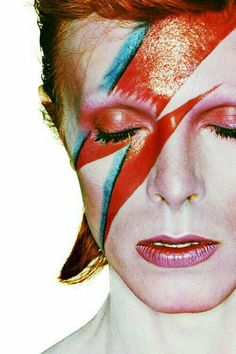
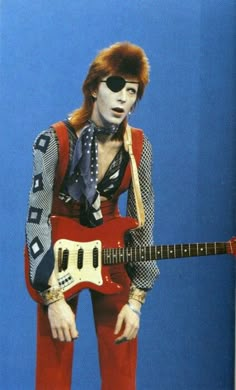
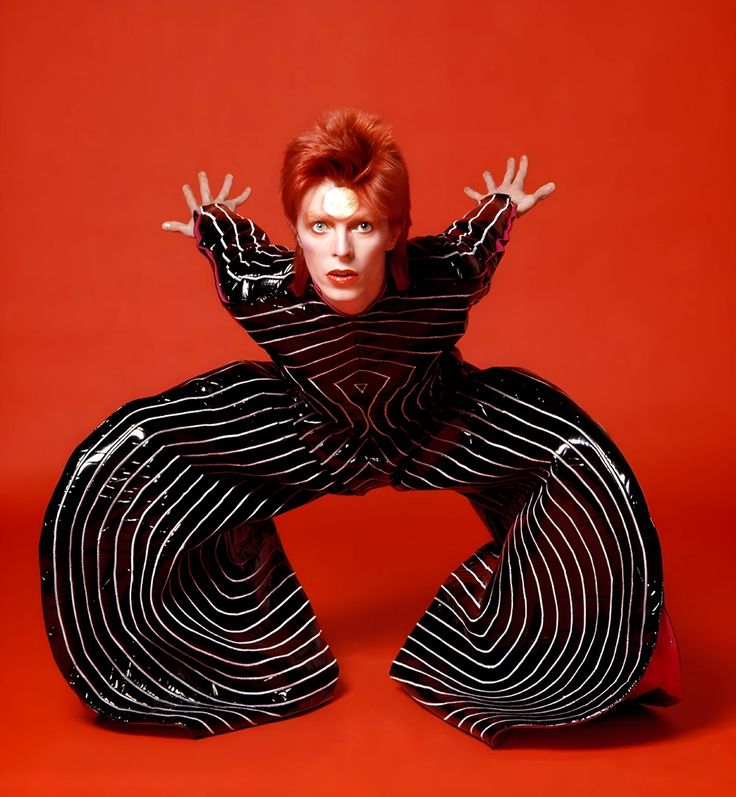
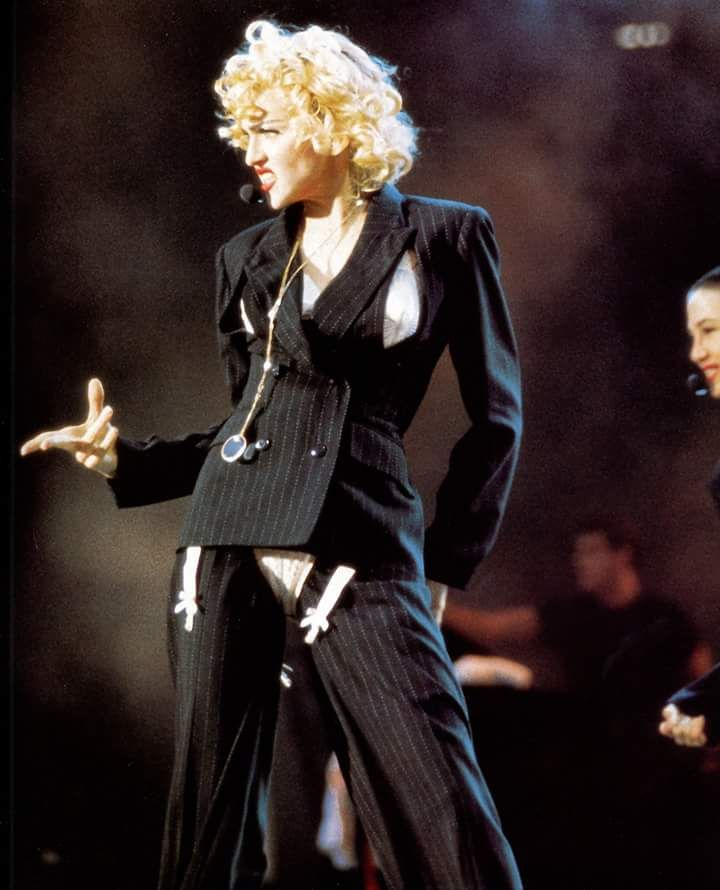
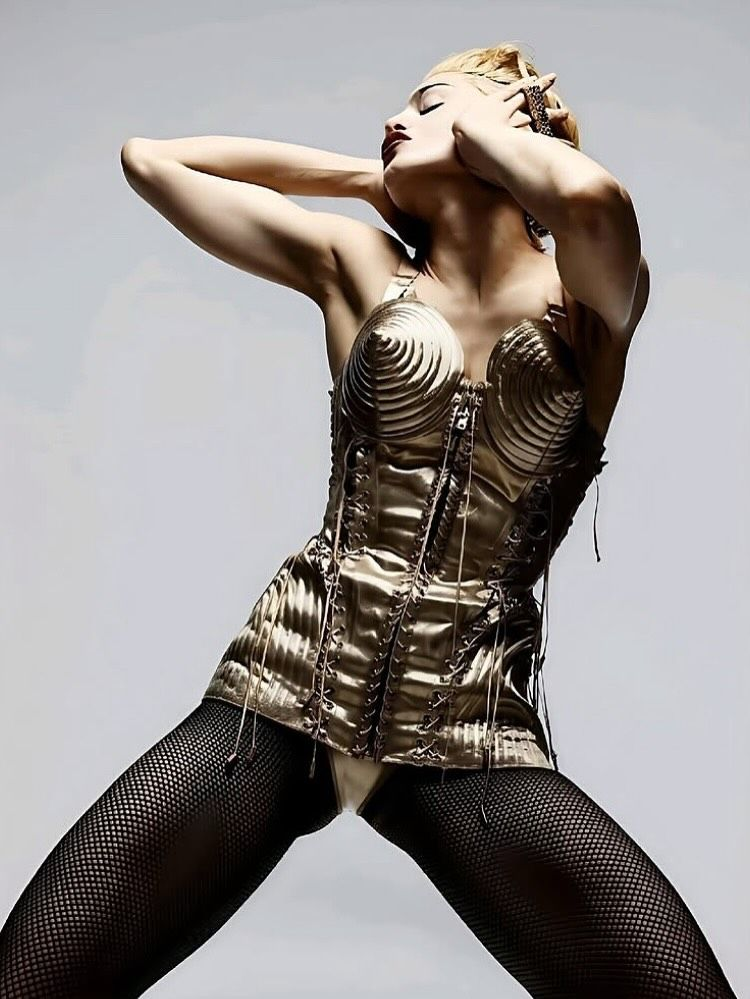
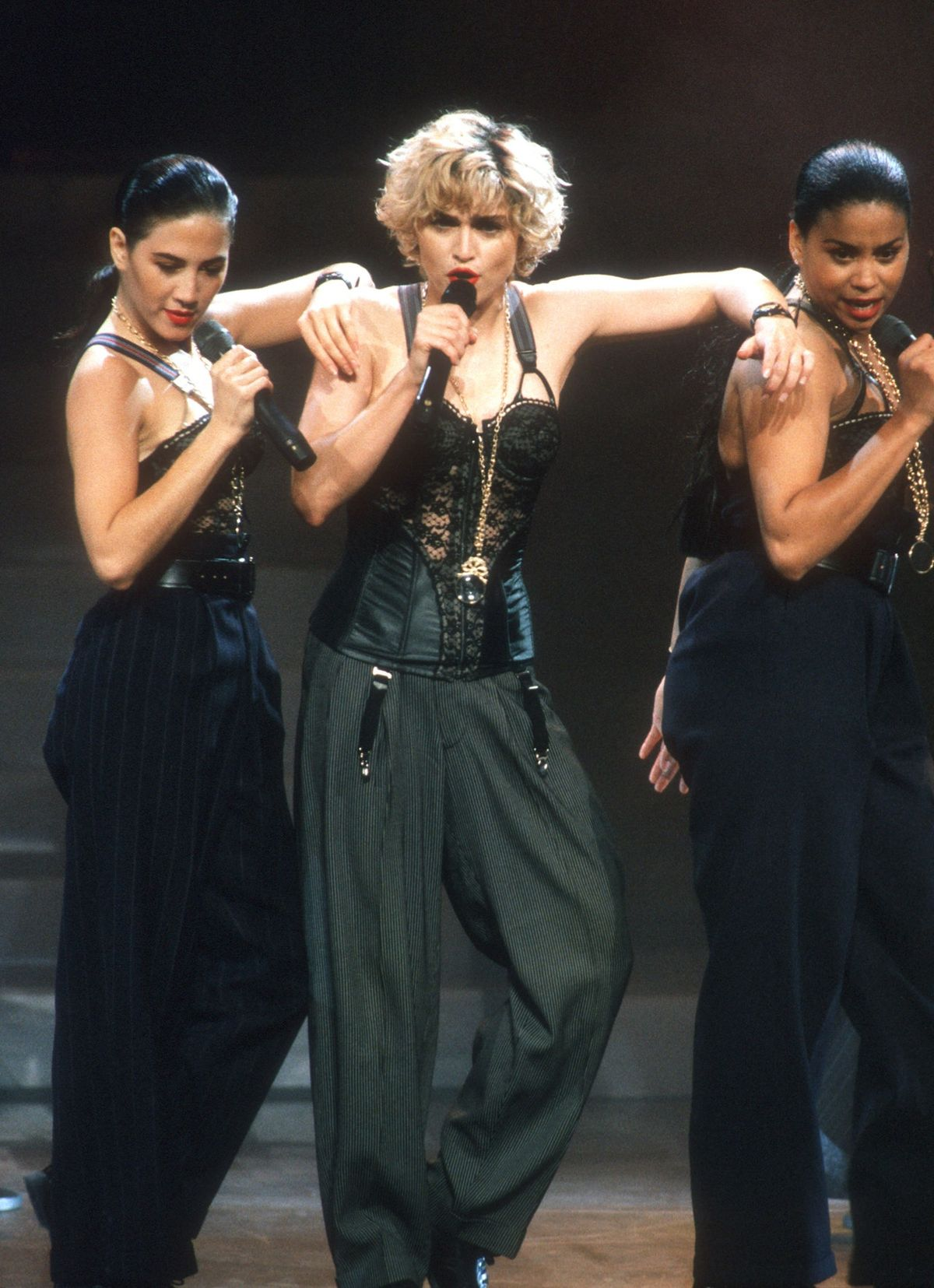
Then there’s Madonna, who made constantly reinventing her image part of her identity. From lace gloves and layered jewellery to corsets and bullet bra, her looks became cultural references that influenced fashion far beyond the music industry.
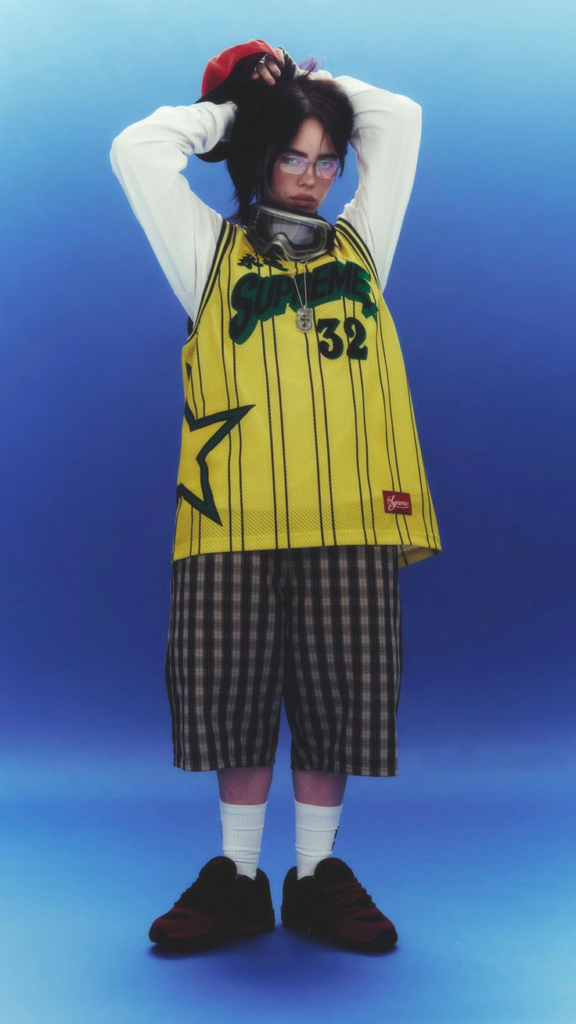
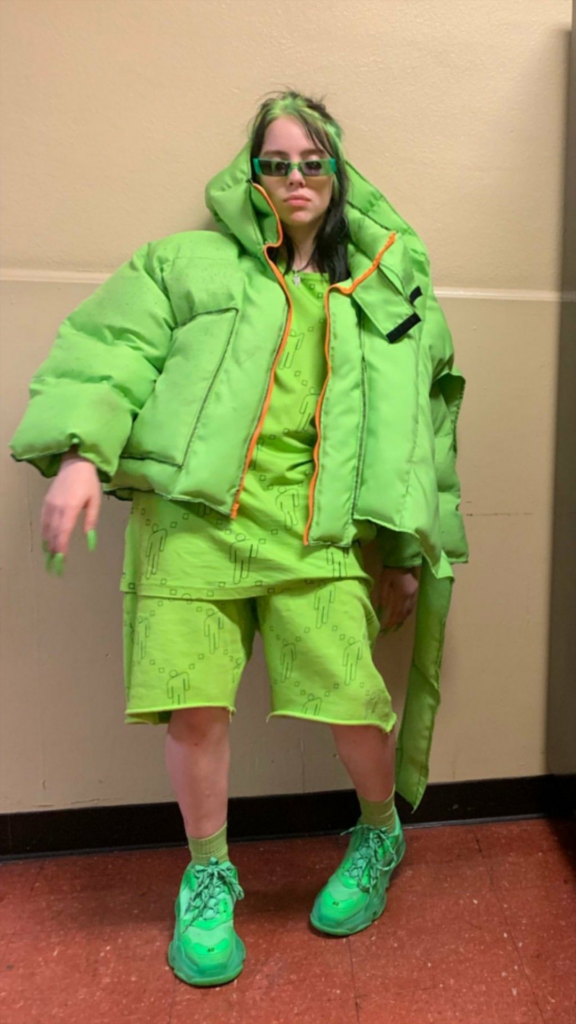
More recently, artists like Billie Eilish have shown how clothing can become a way to challenge expectations. Her oversized silhouettes initially became a recognisable part of her image, allowing her to control how her body was presented rather than conforming to the usual expectations placed on female pop stars.
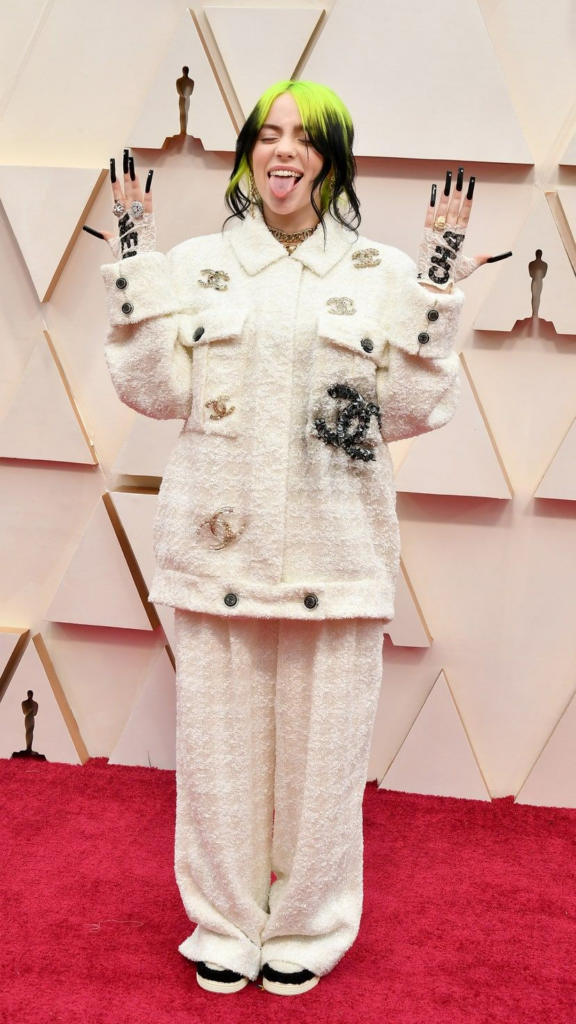
And then there are artists like Tyler, The Creator, whose approach to clothing moves between colourful streetwear, vintage-inspired styling and more tailored looks. His fashion identity feels closely connected to the creative worlds he builds through his albums.
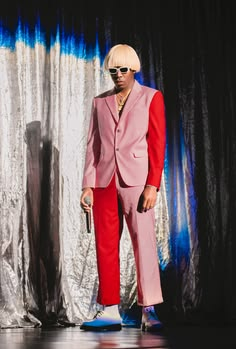
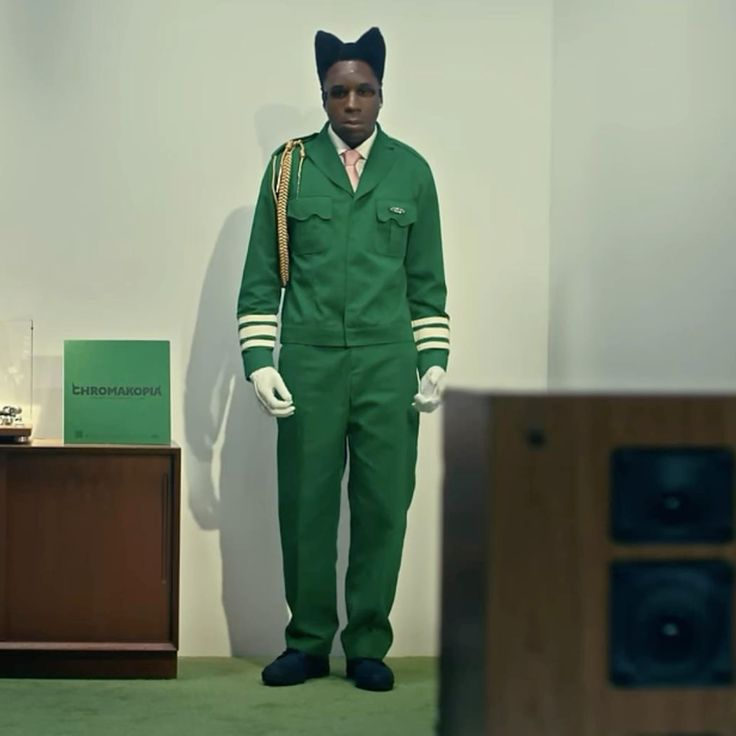
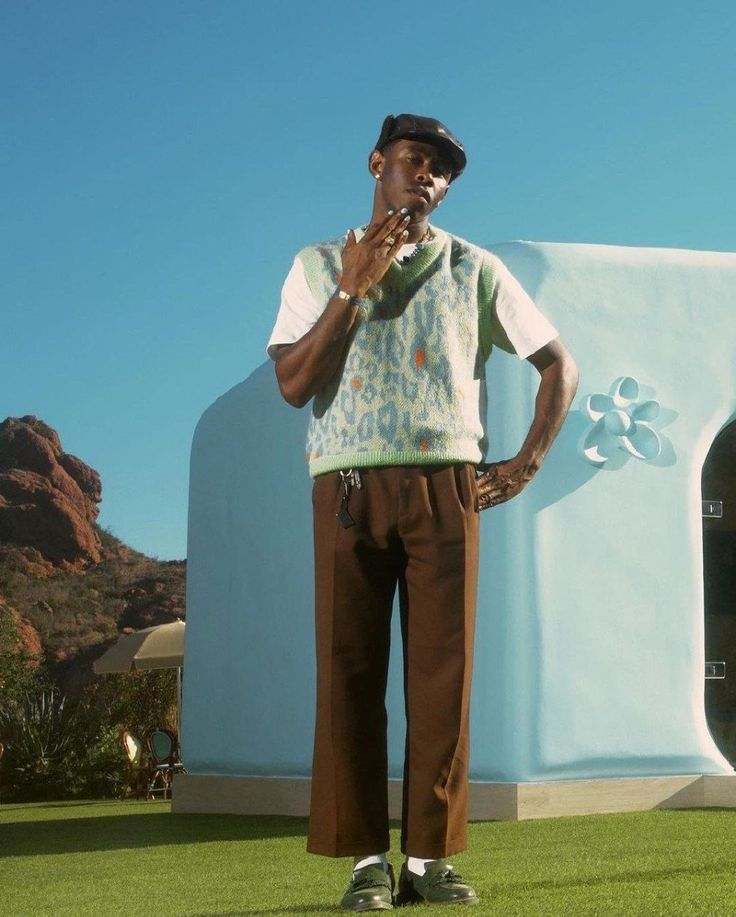
What these artists have in common is that their style isn’t necessarily consistent. It evolves alongside their music, personalities and creative direction. That’s what makes their fashion identities interesting: they aren’t simply following trends; they’re creating their own visual language.
Concerts, Communities and the Feeling of Belonging
Fashion influenced by music isn’t limited to musicians. Fans have always played a huge role in shaping the aesthetics of different scenes.
Think about going to a concert. Before the music even starts, you can often get a sense of the atmosphere just by looking around. Some people wear vintage band shirts, others dress in full alternative looks, while some simply show up in their everyday clothes.
Concerts create spaces where people can experiment with their appearance and express parts of themselves that might not always fit into their everyday environment. A band T-shirt can be more than just merchandise. It can represent a memory, a favourite album, a connection to a particular community or even a period of someone’s life.
There’s also something interesting about the way music-related fashion creates a sense of belonging. You might never have met someone before, but wearing the same band’s shirt can instantly give you something in common. It’s a visual way of saying, “I get it. I listen to this too.”
At the same time, music communities have always been spaces for individuality. Even within the same scene, people interpret its aesthetic differently. One person might go for a full punk-inspired look, while another incorporates just a few details into an otherwise minimal wardrobe.
And honestly, that’s what makes it fun. There isn’t one correct way to dress like you listen to a certain genre.
From Underground Scenes to the Runway
One of the most interesting things about the relationship between music and fashion is how underground styles eventually find their way into mainstream culture.
Aesthetic elements that once represented small music communities can become major fashion trends years later. Designers take inspiration from subcultures, luxury brands reinterpret streetwear, and pieces originally associated with rebellious movements end up on high-fashion runways.
Grunge is a perfect example. What started as an everyday style connected to a particular music scene eventually became a major influence on luxury fashion. Designers such as Marc Jacobs brought grunge-inspired elements into high fashion in the 1990s, challenging the idea that expensive clothing had to look polished and sophisticated.
Punk has also had a lasting influence on fashion houses, with designers such as Vivienne Westwood helping bring its rebellious visual language into the fashion world.
Today, references to different music scenes appear everywhere, from distressed denim and band-inspired graphics to heavy boots, metallic accessories and oversized silhouettes.
But there’s a difference between taking inspiration from a subculture and understanding where it comes from. Many of these aesthetics were built by communities that used fashion to express their identity, challenge social expectations and create a sense of belonging. Their cultural background is part of what makes them meaningful.
Your Playlist, Your Personal Style
You don’t have to dress like a musician or commit to one specific aesthetic to let music influence your wardrobe.
Sometimes it’s as simple as noticing what kind of atmosphere your favourite music creates and translating that feeling into clothing. Maybe you associate rock music with darker colours, worn leather and silver jewellery. Maybe electronic music makes you think of futuristic silhouettes, experimental materials and unexpected combinations. Or perhaps indie music inspires you to explore vintage pieces, unusual layering and more relaxed styling.
Music can also influence the way we approach fashion emotionally. Certain songs make us feel more confident, others more nostalgic, rebellious or romantic. Clothing can become another way to express those feelings.
And the best part is that your style doesn’t have to match your playlist perfectly. You can listen to heavy metal in a delicate lace dress, wear tailored trousers with a vintage band tee or combine sporty pieces with something more dramatic. Mixing different influences often creates the most interesting outfits.
More Than Just Looking the Part
Fashion and music have always influenced each other because both are forms of self-expression. They give people ways to communicate who they are without necessarily having to explain it.
Music creates communities, inspires movements and gives people a shared language. Fashion makes some of those ideas visible. Together, they create cultural identities that can last for decades, even as trends change.
So next time you’re putting together an outfit, maybe start with a song instead of a clothing item. Think about the mood, the energy and the feeling it gives you. You might end up creating something that feels much more personal than an outfit inspired by the latest trend.
After all, the best style isn’t necessarily about wearing what’s popular. It’s about finding what feels like you — and sometimes, your favourite playlist is a pretty good place to start.
Leave a Reply